
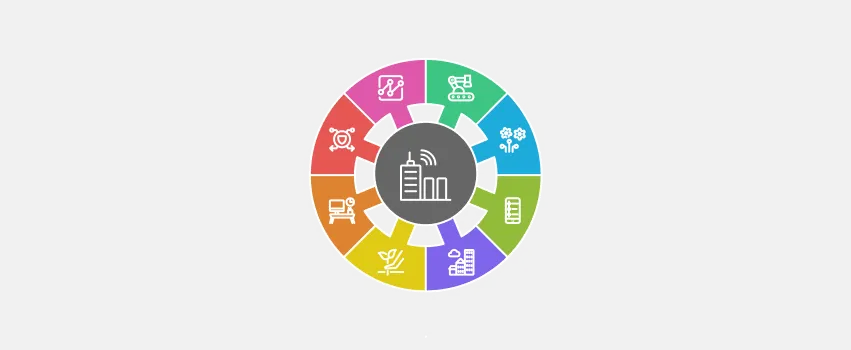
Facility Management Software Trends refer to the new ways technology is improving how buildings and facilities are managed. In 2025, the top trends include using AI for predictive maintenance, adding smart sensors (IoT), and making software mobile-friendly so teams can work from anywhere. More companies are also using cloud-based platforms, tracking energy use for sustainability, and improving cybersecurity. These trends help facility managers save time, cut costs, and keep buildings running smoothly.
Is your facility management software prepared for 2025?
As new technology and changing work needs grow, your tools need to keep up. From better maintenance planning to live data updates, the way we handle buildings is quickly improving.
In this blog, we’ll look at the key trends facility managers should watch for – and how staying updated can lead to better outcomes.
Why Facility Management Software Is Changing So Fast
Facility management isn’t just about fixing things anymore. Today, it includes saving energy, meeting safety rules, creating better user experiences, and keeping costs low – all at the same time. Old tools and manual processes can’t handle this new level of demand. Modern FM software needs to deliver real-time data, automate tasks, and connect people, systems, and equipment in one place.
Here are the key reasons FM software is evolving quickly:
- Stricter environmental and sustainability rules that companies must follow
- Teams working from different places who need mobile access to systems
- A growing need for smart data to reduce spending and boost efficiency
- New risks like cyberattacks and downtime that require better protection
Top Facility Management Software Trends to Watch in 2025

1. AI-Powered Predictive Maintenance
Artificial Intelligence is changing how we handle maintenance. Instead of waiting for machines to break down or following a fixed schedule, AI studies how equipment is used. It can predict when something might fail – helping teams act early, reduce repair costs, and keep things running smoothly.
Further Reading: What is Predictive Maintenance?
2. IoT & Smart Sensor Integration
Internet of Things (IoT) devices are now a big part of FM software. These smart sensors collect real-time data on things like air quality, temperature, power usage, and room occupancy. With this data, facility teams can make quicker, better decisions – and reduce guesswork.
3. Mobile-First Facility Management
In 2025, FM software is designed for mobile use. Staff can manage tasks, report issues, and update job status using smartphones or tablets on-site. This saves time and increases accuracy because everything can be done right where the work happens.
4. Cloud-Based and Modular Systems
Most FM platforms now run on the cloud. This makes them easier to use, update, and grow. Modular features let companies pick what they need and add more tools later – like energy tracking or safety checks – without changing the whole system.
5. Tools for Sustainability and Carbon Tracking
Tracking energy, water, waste, and carbon is now a must. FM software in 2025 includes dashboards that monitor these things in real time. This helps buildings meet environmental goals like reducing emissions and moving toward Net Zero.
6. Smart Space Management and Workplace Experience
As more people work flexibly, companies need to use space wisely. New FM tools offer features like desk booking, live occupancy maps, and space usage reports. This helps avoid empty rooms, improve comfort, and support hybrid work.
7. Better Cybersecurity and Compliance
As facility systems connect to the internet and other business tools, keeping them secure is critical. FM software now comes with built-in protection – like user access control, data encryption, and audit trails – to prevent risks and stay compliant with regulations.
8. AI Dashboards and Smart Reporting
Facility managers need easy access to key information. AI-powered dashboards now give real-time insights into maintenance, costs, energy use, and performance. These tools save time by creating reports automatically and helping teams make better decisions, faster.
What Facility Managers Should Do to Stay Ahead
To keep your facility operations efficient and ready for the future, you need to take the right steps today. Here’s how to stay ahead:
- Review your current FM software – Check if it’s flexible, mobile-friendly, and uses AI features.
- Choose cloud-based systems – These are easier to update, grow with your needs, and connect with other business tools.
- Focus on sustainability and security – Pick software that helps track energy use and keeps your data safe.
- Work with future-ready vendors – Look for partners who invest in new technology and support your long-term goals.
By planning ahead, you can avoid falling behind and get more value from your FM operations.
Further Reading: Why Your Facility Needs CAFM Software in 2025
How CAFMTEK Aligns with 2025 Trends
CAFMTEK, the flagship FM software from HITEK AI, is designed with the future in mind. It combines smart features like AI-driven maintenance, IoT sensor support, mobile task management, and real-time sustainability tracking – all in one platform. Whether you’re running a single site or a large portfolio of buildings, CAFMTEK gives you full visibility, better control, and faster decision-making. It’s built to match the trends of 2025 and beyond, helping facility managers stay one step ahead.
Final Thoughts
Facility management software is no longer just about fixing issues – it’s now a key part of running smarter, safer, and more efficient buildings. In 2025, the right tools will help you cut costs, meet regulations, and improve the experience for everyone who uses your space.
To stay ahead, you need to understand where the industry is going and choose a solution like CAFMTEK that’s ready to grow with your needs.